
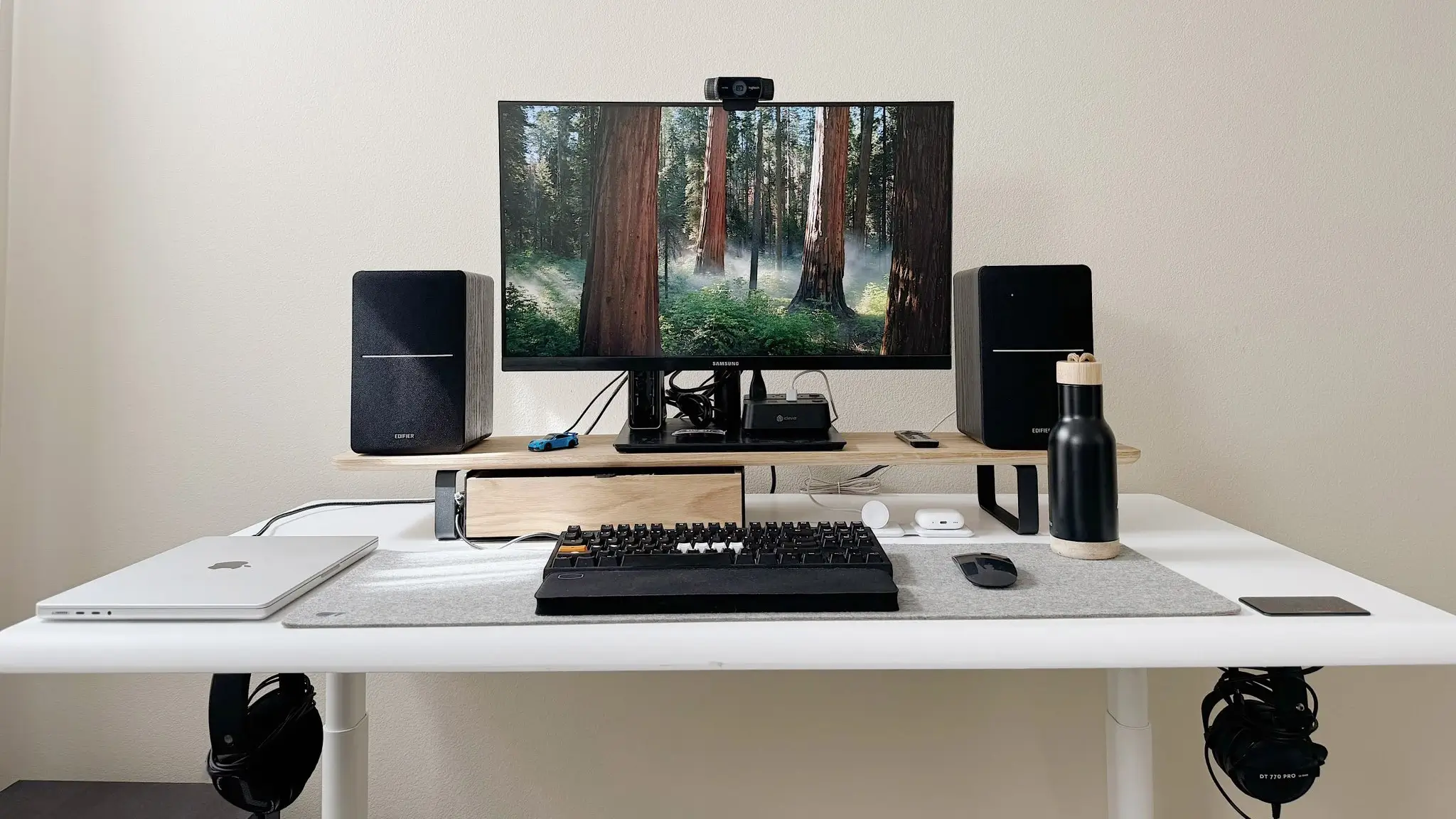
Creating a productive and comfortable home office starts with one key piece of furniture: your computer desk. With so many styles, sizes, and features available, choosing the right desk can feel overwhelming. Whether you work from home full-time, study, or just need a dedicated workspace, picking the perfect desk is crucial for both efficiency and comfort. In this guide, we’ll walk you through everything you need to consider to select the best computer desk for your home office.
How to Choose a Computer Desk for Home Office?
1. Determine Your Space and Layout
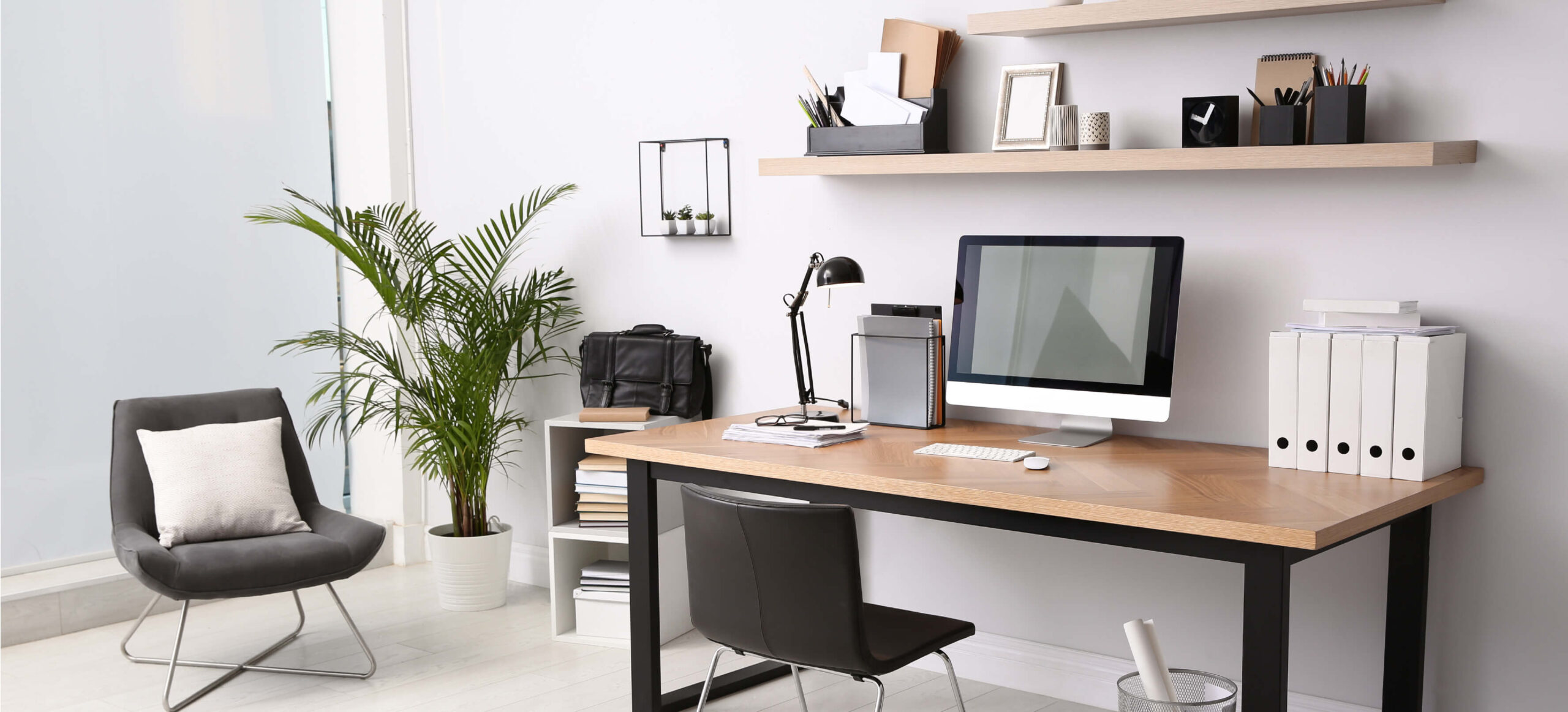
Before browsing desks, measure the available area in your home office or room. Consider the following:
- Room size: Make sure the desk fits comfortably without overcrowding the space.
- Desk placement: Do you want your desk against a wall, near a window, or in the center of the room?
- Workflow: Allow enough clearance for a chair, storage units, and movement around your workspace.
For small rooms or apartments, compact desks or foldable computer desks can save space while still providing a functional work area. L-shaped desks are ideal for corners and can double as multi-purpose workstations.
Tip: Sketch a layout to visualize desk placement and space for other furniture.
2. Decide on Desk Type and Style
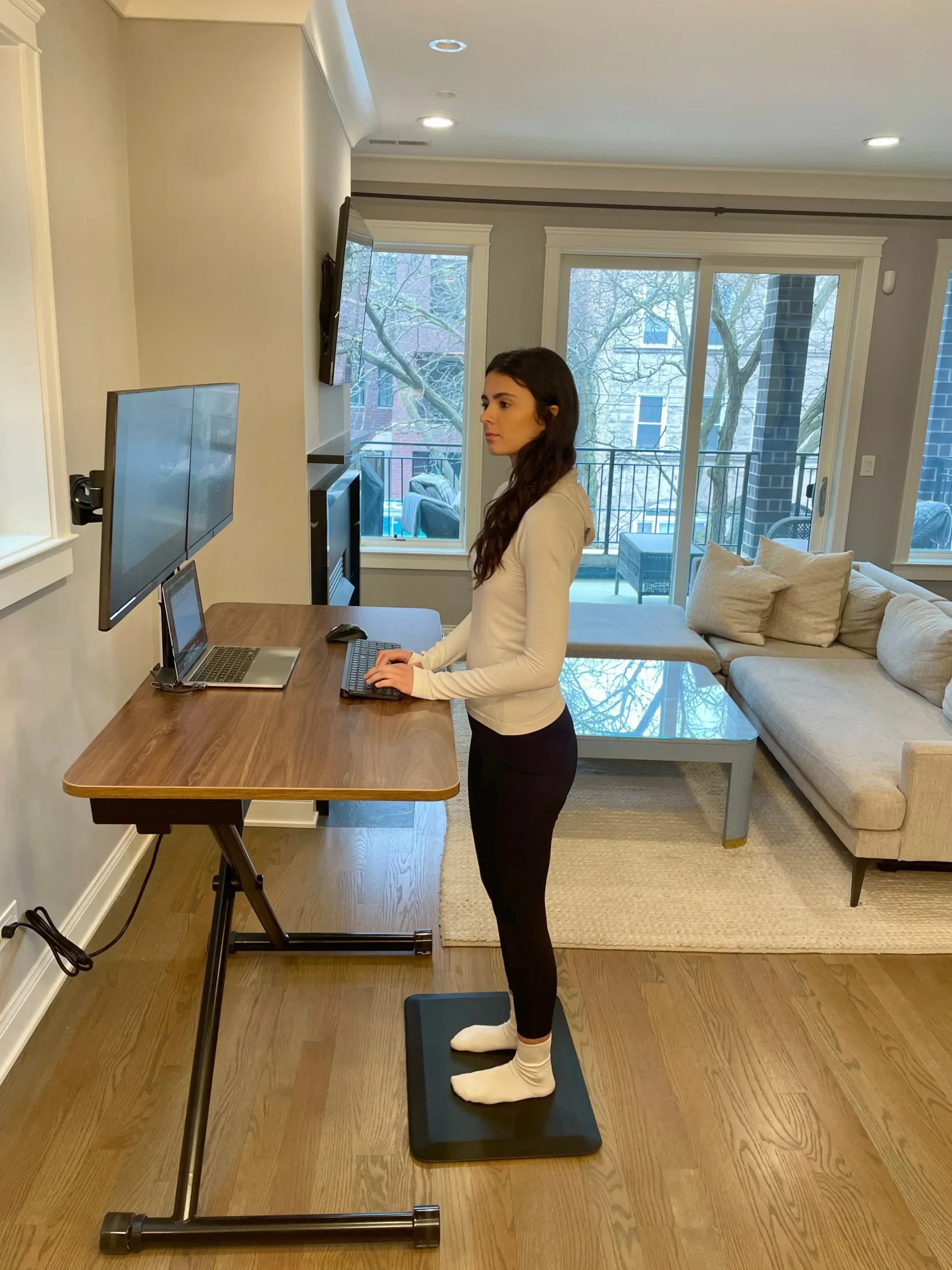
Computer desks come in a variety of shapes and designs. Choosing the right type depends on your work needs and personal style:
Standard rectangular desks: Great for general computer use, writing, and studying.
L-shaped desks: Perfect for corner placement and multitasking with multiple monitors.
Standing desks: Adjustable height desks allow you to alternate between sitting and standing, improving posture and reducing fatigue.
Foldable desks: Ideal for compact spaces and temporary setups.
Consider the aesthetic as well. Modern desks with clean lines suit minimalist spaces, while industrial-style desks add a bold statement to your home office. Color also matters – lighter finishes can make small rooms feel airy, while dark finishes give a professional, executive look.
3. Consider Size and Work Surface
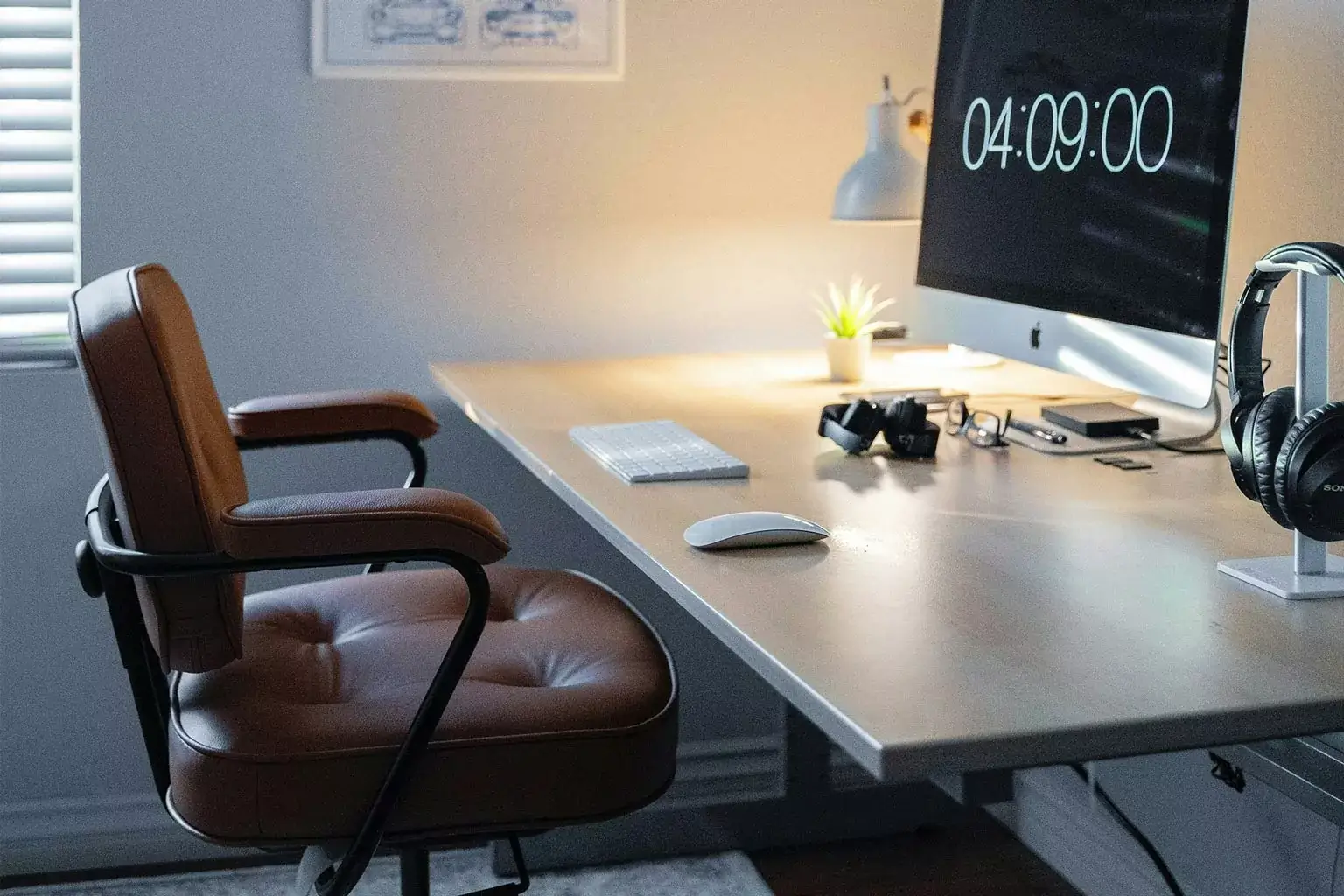
The desk’s dimensions are critical for comfort and productivity. Think about:
- Width and depth: Make sure the desk can accommodate your computer, monitor, keyboard, mouse, and other office essentials.
- Height: Standard desk height is usually 28-30 inches, but standing or adjustable desks allow you to tailor it to your comfort.
- Surface space: If you use multiple monitors, a printer, or need room for writing and crafting, a larger tabletop is necessary.
Tip: Allow extra space for accessories and a clutter-free work environment. Desks with pull-out trays or built-in shelves help keep your workspace organized.
4. Ergonomics and Comfort
Ergonomics are crucial for long hours of sitting or standing:
- Desk height: Ensure the desk aligns comfortably with your chair so your elbows are at a 90-degree angle.
- Legroom: Adequate clearance under the desk allows freedom of movement.
- Keyboard tray: Optional pull-out trays can reduce strain on wrists.
- Standing options: Adjustable desks let you switch positions to prevent back or neck pain.
A desk that supports ergonomic posture reduces fatigue, improves focus, and increases overall productivity.
5. Storage Needs
The amount of storage you require depends on your work style:
- Drawers: Great for storing stationery, documents, and small office supplies.
- Shelves: Perfect for books, binders, and decorative items.
- Hutch or cabinets: Offer additional storage without taking up floor space.
If you prefer a minimalist workspace, choose a desk with hidden storage or open shelving to maintain a clean look. For home offices that double as study areas, having dedicated compartments can help you stay organized.
6. Material and Durability
The material of your computer desk affects its durability, weight, and aesthetics:
- Engineered wood / MDF: Lightweight, budget-friendly, and available in various finishes.
- Solid wood: Sturdy, long-lasting, and often premium-priced.
- Metal frame desks: Provide strong support, especially for larger workstations or industrial designs.
- Glass desks: Stylish but less practical for heavy equipment or frequent use.
Look for a desk with a sturdy frame and scratch-resistant surface to ensure long-term durability.
7. Cable Management
A cluttered workspace with tangled cables can reduce efficiency. Many desks come with:
- Built-in grommets for cable routing
- Cable trays under the desk
- Holes or cutouts for monitors, chargers, and power strips
If your desk doesn’t include these, simple cable organizers or clips can keep your setup clean and safe.
8. Budget Considerations
Computer desks vary widely in price. Consider:
Basic desks: Affordable options under $150, suitable for students or light office use.
Mid-range desks: $150-$400, often with better materials, storage, or ergonomic features.
Premium desks: $400+, solid wood, adjustable heights, and full-featured workstations.
Remember: a slightly higher investment in a durable, ergonomic desk can save money on health issues and frequent replacements.
9. Multi-Purpose and Flexible Options
Many home offices need a desk that can adapt:
- Convertible desks: Desk surfaces that tilt for drafting, writing, or drawing.
- Foldable desks: Can be stored when not in use, ideal for shared rooms.
- Desk with hutch: Combines workspace with vertical storage.
- Standing desk attachments: Turn a traditional desk into a sit-stand workstation.
Choosing a flexible desk ensures your workspace evolves with your changing needs.
10. Final Tips for Choosing the Perfect Desk
- Test the desk if possible – check height, legroom, and surface stability.
- Match the desk style with your office chair and room décor.
- Prioritize comfort and ergonomics over style alone.
- Consider storage solutions and cable management options.
- Don’t forget long-term durability – a high-quality desk lasts years.
Conclusion
Selecting the right computer desk for your home office is more than a purchase — it’s an investment in your productivity, comfort, and health. By considering space, desk type, ergonomics, storage, material, and budget, you can create a functional, stylish, and organized workspace that meets all your needs.
With the right desk, your home office can transform from a cluttered corner into a productive and inspiring environment.